

For parents in Katy, Texas, dealing with seasonal allergies in children can be challenging. Sneezing, congestion, itchy eyes, and fatigue can disrupt your child’s daily routine. With proper guidance from a Katy allergy doctor and pediatric allergy care, you can help your child feel comfortable and maintain their well-being throughout allergy season.
Understanding Child Seasonal Allergies
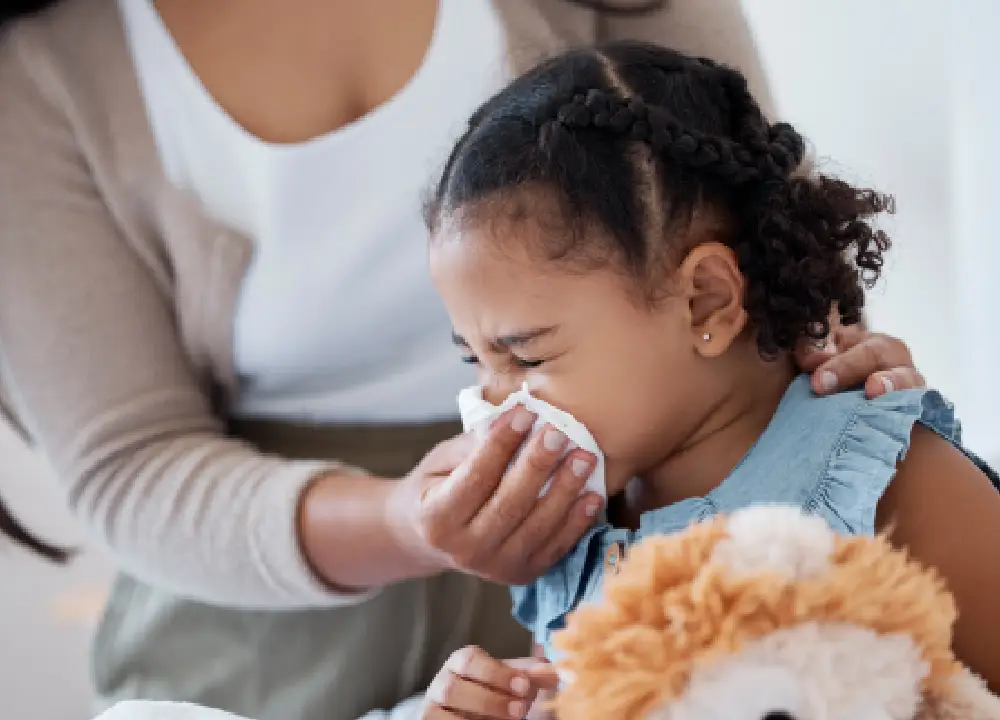
Seasonal allergies, also known as allergic rhinitis or hay fever, occur when a child’s immune system overreacts to pollen, mold spores, or other environmental triggers. Symptoms may include a runny nose, coughing, watery eyes, and fatigue. Young children may also experience irritability or difficulty sleeping during peak allergy periods.
Common Triggers in Katy, Texas
Children in Katy are often exposed to pollen from trees, grasses, and weeds during spring and fall. Mold spores and dust mites can also worsen symptoms indoors. Understanding your child’s triggers is key to preventing and managing allergic reactions effectively.
Tips for Managing Seasonal Allergies in Children
1. Monitor Pollen Levels and Limit Outdoor Exposure
Check daily pollen counts and plan outdoor activities when levels are low. Keep windows closed and use air conditioning in your home and car to reduce pollen exposure. Regularly washing your child’s hands and face after outdoor play can also help remove allergens.
2. Maintain a Clean Indoor Environment
Vacuum carpets and rugs frequently using a HEPA filter vacuum. Wash bedding and stuffed animals regularly in hot water. Consider using a high-efficiency air purifier to remove airborne allergens and reduce symptoms for children with pediatric allergy care needs.
3. Use Medications as Recommended by Your Pediatrician
Over-the-counter antihistamines, nasal sprays, or eye drops can help control symptoms. Always consult your Katy allergy doctor before starting new medications to ensure they are safe and appropriate for your child’s age and health status.
4. Teach Your Child Allergy-Reducing Habits
Encourage children to avoid touching their eyes and face, wash their hands frequently, and change clothes after being outside. These habits help minimize allergen exposure and reduce irritation. Wearing sunglasses outdoors can also protect the eyes from pollen.
5. Consider Allergy Testing for Persistent Symptoms
If your child’s seasonal allergies are severe or do not respond to standard care, your pediatrician may recommend allergy testing. Identifying specific allergens allows for targeted treatment and long-term management strategies.
“Seasonal allergies are common among children and can significantly affect their quality of life. Early management and preventive strategies are key to reducing symptoms.” – American Academy of Allergy Asthma & Immunology
When to See a Pediatrician

Persistent congestion, wheezing, recurrent ear infections, or difficulty sleeping may indicate that your child needs professional care. A Katy allergy doctor can provide comprehensive pediatric allergy care, including evaluation, treatment plans, and guidance on environmental management.
Additional Support at Home
Keep a symptom diary to track when your child experiences allergic reactions. This information can help your pediatrician tailor treatments. Avoiding known allergens and maintaining a clean home environment are critical steps in long-term management.
Benefits of Early Allergy Management
Early intervention with proper pediatric allergy care helps reduce the severity of symptoms and prevent complications. Children who receive consistent care often experience fewer school absences, improved sleep, and better overall health.
Partnering with Kingsland Pediatrics
At Kingsland Pediatrics, families in Katy and surrounding areas receive compassionate care for childhood allergies. From preventive guidance to same-day seasonal allergies in children appointments, our pediatricians provide personalized solutions to keep your child healthy and comfortable.
Did You Know? According to the American College of Allergy, Asthma & Immunology, approximately 1 in 5 children in the U.S. suffers from seasonal allergies.
Medical Disclaimer
The information provided is for educational and informational purposes only. The information provided is not intended to diagnose, treat, cure, or prevent any disease or health condition. Always seek the advice of your physician or other qualified healthcare provider with any questions you may have regarding a medical condition or treatment. Never disregard or delay seeking professional medical advice because of something you have read on this website.